Community
What's next in the investigation of the Learjet crash in Florida that killed 9?
By Tamara Knight
Advertisement · Why this ad?
Nia, a graduate of the University of Dallas, has been covering housing and urban development for nearly four years. Her work has appeared in various local publications, where she delves into the challenges of affordable housing and urban policy in Dallas.
More from Nia →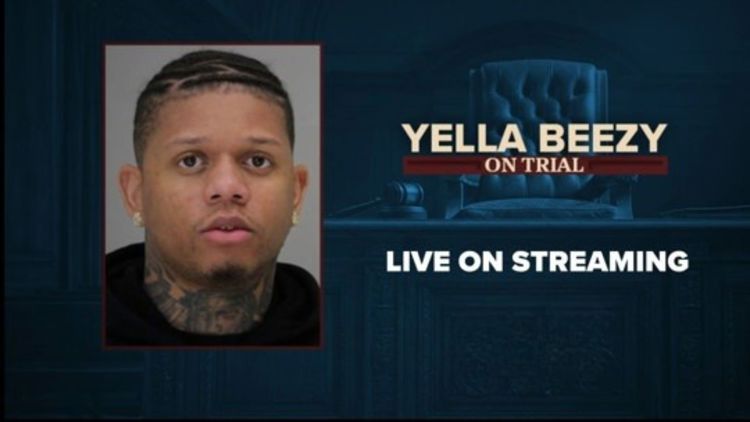
As the sun rose over Dallas, the air was thick with anticipation outside the courtroom where the trial of rapper Yella Beezy, born Markies Conway, is unfolding. Families and friends of both the accused and the victim, the late rapper Mo3, gathered, their emotions a mix of hope and despair. The case, which has captivated the local community, is not just about music but the stark realities of violence that have plagued the city. Today marks the seventh day of testimony, where the prosecution is focused on proving that Yella Beezy orchestrated a hit on his rival back in 2020.
The courtroom has become a stage for a gripping narrative that intertwines the lives of two prominent figures in the Dallas rap scene. Prosecutors allege that in November 2020, Yella Beezy ordered the murder of Mo3, whose real name was Melvin Noble. The events leading up to the tragic shooting have been dissected meticulously, with witnesses recounting the moments that led to the fatal encounter. In a city known for its vibrant culture, the repercussions of this violence have resonated far beyond the courtroom.
As the trial progresses, testimonies reveal a darker side of the music industry, where rivalries can escalate into deadly confrontations. Witnesses have described the intense animosity that existed between the two rappers, painting a picture of a feud fueled by jealousy and competition. The prosecution has presented evidence, including phone records and social media posts, to support their claims that Yella Beezy was not just a passive observer but an active participant in the events that led to Mo3's demise.
On the other side, Yella Beezy’s defense team is working diligently to cast doubt on the prosecution’s narrative. They argue that the evidence presented is circumstantial and that there is no concrete proof linking their client directly to the murder. The stakes are high, and as the trial continues, the courtroom remains a battleground for justice, with each side fighting fiercely for their version of the truth.
The trial has sparked significant interest within the Dallas community, reflecting the deep connections that residents have to both artists. For many, Mo3 was not just a rapper; he was a voice for the struggles faced in their neighborhoods. His music often touched on themes of resilience and survival, resonating with fans who found solace in his lyrics. Conversely, Yella Beezy, known for his catchy hooks and collaborations, has also garnered a dedicated following. The community’s division over this case is palpable, with some supporting Yella Beezy while others mourn the loss of Mo3.
Local residents have voiced their concerns about the implications of this trial on the city’s youth. Many fear that the violence associated with the rap scene could perpetuate a cycle of crime and retaliation. “We need to focus on uplifting our community, not tearing each other down,” said local activist Maria Gonzalez. Her sentiment reflects a broader desire among community members to foster unity rather than division, especially in the wake of such tragedies.
In the neighborhoods where both rappers grew up, the impact of their music has been profound. Streets once filled with the sounds of laughter and local gatherings now echo with the weight of violence and loss. Community centers have reported an increase in youth programs aimed at providing alternatives to street life, emphasizing the need for mentorship and guidance in the wake of such high-profile cases. “We’re trying to show the kids that there are other paths,” said community organizer David Lee, who runs a local after-school program. “We want them to see that they can achieve their dreams without resorting to violence.”
Music has long been a powerful tool for expression and change. In Dallas, it serves as both a celebration of culture and a reflection of the struggles faced by many. The trial has brought to light the responsibilities that come with fame and the potential consequences of lyrics that glorify violence. As the community grapples with the realities of this case, it is also a moment for reflection on how artists can influence their surroundings.
“We need to hold our artists accountable,” said local pastor James Robinson. “Their words have power, and they can either uplift or destroy.” This perspective emphasizes the need for a collective effort to promote positive messages within the music industry, encouraging artists to use their platforms for good. As the trial continues, the community is left wondering how this case will impact the future of Dallas rap.
In response to the growing concern over violence in the rap scene, local musicians have begun to collaborate on projects that emphasize peace and community engagement. Initiatives such as “Rap for Peace” have emerged, where artists come together to perform and discuss the importance of unity in their lyrics and actions. “It’s about changing the narrative,” said rapper and activist Tasha Moore, who has been instrumental in organizing these events. “We want to show that we can come together and create something beautiful, rather than tearing each other apart.”
As the trial moves forward, the focus will shift to the closing arguments, where each side will summarize their cases and attempt to persuade the jury. The outcome of this trial could have lasting implications not only for Yella Beezy but for the broader music community in Dallas. If convicted, he faces significant prison time, which would mark a turning point in his career and life.
The community is also watching closely for any potential changes in how local law enforcement addresses gang-related violence and its connection to the music scene. Many hope that this case will serve as a catalyst for dialogue about violence prevention and community safety. “We need to come together to find solutions,” said community leader Marcus Allen. “This isn’t just about one person; it’s about all of us.”
In the coming weeks, as testimony continues, the emotional weight of this case will only grow. Families on both sides are affected, and the community is left to navigate the aftermath of a tragedy that has struck at the heart of Dallas. The trial serves as a reminder of the importance of unity and healing in a city that has seen its share of pain.
As the trial of Yella Beezy unfolds, it is a poignant moment for Dallas, a city rich in culture yet grappling with the realities of violence. The testimonies and evidence presented in court not only tell the story of two artists but also reflect the struggles of a community seeking hope and healing. The outcome of this trial may influence the future of the Dallas music scene, but more importantly, it serves as a call to action for residents to come together and address the issues that divide them.
In a world where the American dream often feels out of reach, the stories of Mo3 and Yella Beezy remind us of the importance of strong families, authentic faith, and the power of community. As the trial continues, let us hope for a resolution that fosters understanding and healing, paving the way for a brighter future for Dallas.
By Tamara Knight
By Rachel Gonzalez
By Jessica Velez
By Elaine Chen