
Community
North Texas man dead following auto-bicyclist accident, police say
By Tamara Knight
Advertisement · Why this ad?
Jessica Velez has over 15 years of journalism experience, having previously worked at the Denton Record-Chronicle and NPR affiliate KERA. A graduate of the University of Texas at Arlington, her reporting focuses on grassroots initiatives and community activism in the Carrollton area.
More from Jessica →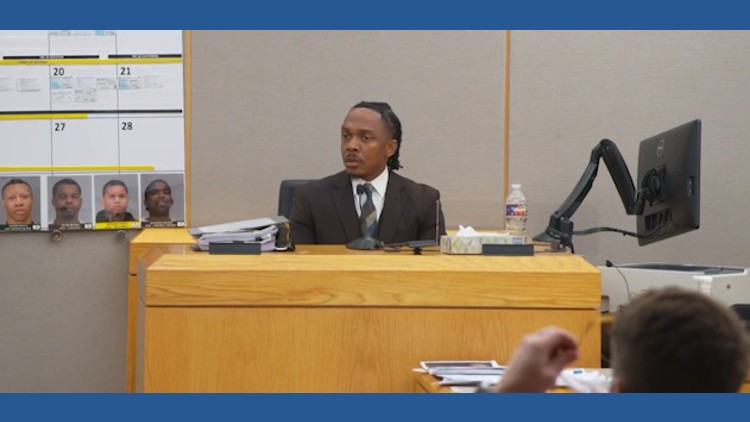
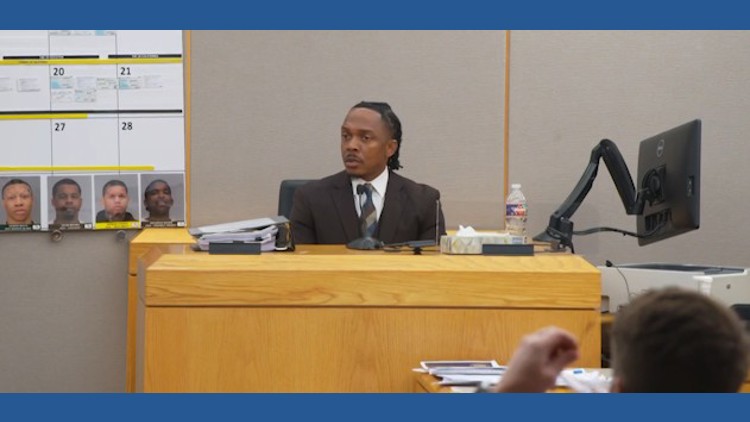
On a crisp morning in Dallas, the courtroom buzzed with anticipation as Detective Michael McCarty took the stand. His voice, steady yet filled with the weight of his experiences, recounted that fateful day in November 2020 when he received the call that would change everything. The news was grim: the rising star of the Dallas rap scene, Mo3, had been murdered, a tragedy that sent shockwaves through the community and beyond.
Mo3, whose real name was Melvin Noble, was more than just a talented artist; he was a beacon of hope for many in his neighborhood. His music resonated with the struggles and triumphs of everyday life, making him a beloved figure in the Dallas community. However, on November 11, 2020, his life was cut short in a violent act that left fans and family devastated.
Detective McCarty, a seasoned investigator with the Dallas Police Department, recounted the harrowing moments following the discovery of Mo3's body. He described the scene: a highway in South Dallas where the artist was shot while driving. The investigation that followed was extensive, involving numerous interviews, surveillance footage analysis, and a deep dive into the life of Mo3.
As the trial unfolds, the focus is not only on the crime itself but also on the impact it has had on the community. Mo3’s death became a rallying point for discussions about violence, loss, and the importance of addressing the root causes of crime in urban areas. His legacy continues to inspire many, with fans celebrating his music and message of perseverance even in the face of adversity.
The response to Mo3's murder was immediate and profound. Fans gathered to mourn, holding candlelight vigils and sharing memories of the artist whose lyrics spoke to their own struggles. The outpouring of grief highlighted the deep connection between Mo3 and his supporters, many of whom felt as though they had lost a family member.
Local community leaders also weighed in, emphasizing the need for unity and healing in the wake of such violence. Many called for increased support for at-risk youth and initiatives aimed at reducing crime. Dallas Mayor Eric Johnson expressed his condolences and reiterated the city's commitment to addressing the factors that contribute to violence.
“Mo3 was a voice for the voiceless,” said local activist Jasmine Reed during a community meeting. “His music gave us hope, and now we need to continue that legacy by promoting peace and understanding.” Reed’s words resonated with many in attendance, highlighting the collective desire for change.
As the trial progresses, the community remains engaged, attending court sessions and following the developments closely. The case has become a symbol of the fight against violence in urban neighborhoods, sparking conversations about how to create safer spaces for families and children.
Detective McCarty's testimony provided critical insights into the investigation process. He detailed the challenges faced by law enforcement as they sought to piece together the events leading up to Mo3's murder. The detective spoke candidly about the emotional toll the case took on him and his team, noting that every homicide is not just a statistic but a story of loss and heartache.
“When you see someone’s life taken away, it affects you deeply,” McCarty stated. His dedication to justice for victims and their families was evident as he described the painstaking work involved in gathering evidence and interviewing witnesses. The detective emphasized the importance of community cooperation in solving crimes, noting that many leads came from tips provided by concerned citizens.
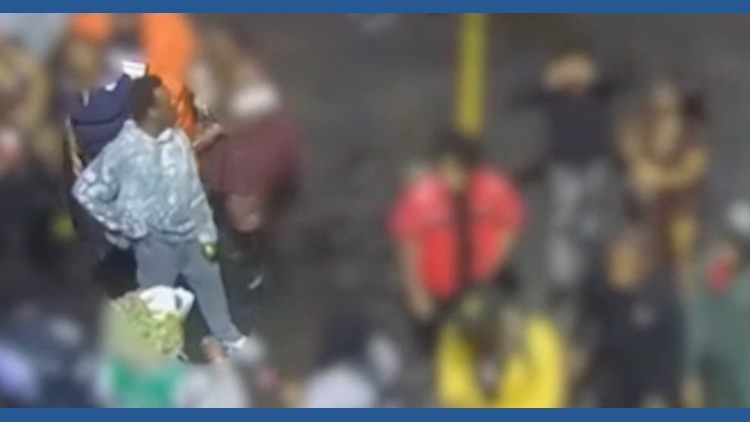
Despite the challenges, the investigation led to significant breakthroughs. Surveillance footage from the area where Mo3 was shot played a crucial role in identifying suspects. Detective McCarty explained how technology has transformed modern investigations, allowing law enforcement to analyze data in ways that were previously unimaginable.
However, the detective also acknowledged the limitations they faced. “Not everyone is willing to come forward,” he said, highlighting the fear and mistrust that can exist between communities and law enforcement. Building relationships and fostering trust remain vital components in preventing future violence.
As the trial continues, the community watches closely, hoping for justice for Mo3 and his family. The outcome will not only impact those directly involved but will also serve as a reflection of the community's resilience and determination to combat violence. Activists and residents alike are calling for a renewed focus on healing and prevention, urging local leaders to invest in programs that uplift youth and provide them with positive outlets.
The legacy of Mo3 lives on, not just in his music but in the hearts of those he inspired. As his family and friends navigate this painful chapter, they are also committed to honoring his memory through positive change. “We want to make sure his story doesn’t end in tragedy,” said Mo3’s sister, who has taken on a role in advocating for community programs that support young people. This includes initiatives aimed at mentoring youth and providing resources for education and employment opportunities.
In the wake of Mo3's murder, various community organizations have stepped up to address the issues of violence and youth engagement. Local nonprofits are hosting workshops that focus on conflict resolution, leadership skills, and artistic expression through music and art. These programs are designed not only to honor Mo3’s legacy but also to empower young people to make positive choices in their lives.
Furthermore, community forums have been organized to discuss the broader implications of violence in Dallas, bringing together residents, law enforcement, and local leaders to foster dialogue and collaboration. These events serve as a platform for individuals to voice their concerns and ideas for creating a safer environment. “We need to work together, not just to remember Mo3, but to build a future where our children can thrive,” said community leader Marcus Hill, who has been actively involved in these discussions.
In the coming weeks, as the trial unfolds, the community will continue to come together, united in their hope for a brighter future. The conversations sparked by Mo3’s death are crucial, as they pave the way for understanding, healing, and ultimately, a safer environment for all.
By Tamara Knight

By Jessica Velez
By Jessica Velez
By Tamara Knight