Community
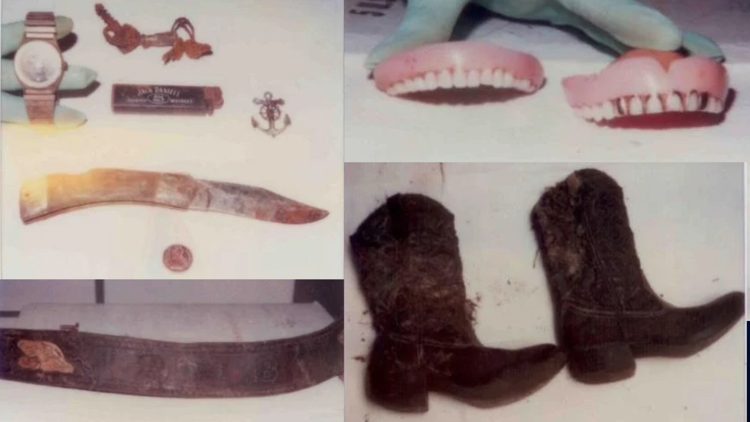
He was found wearing a belt with the initials 'RB' in Humble in 1987. Who was he?
By Rachel Gonzalez
Advertisement · Why this ad?
Elaine Chen has 4 years of reporting experience with the Farmers Branch Bulletin and graduated from the University of North Texas. She specializes in local events, cultural happenings, and the diverse communities within Carrollton.
More from Elaine →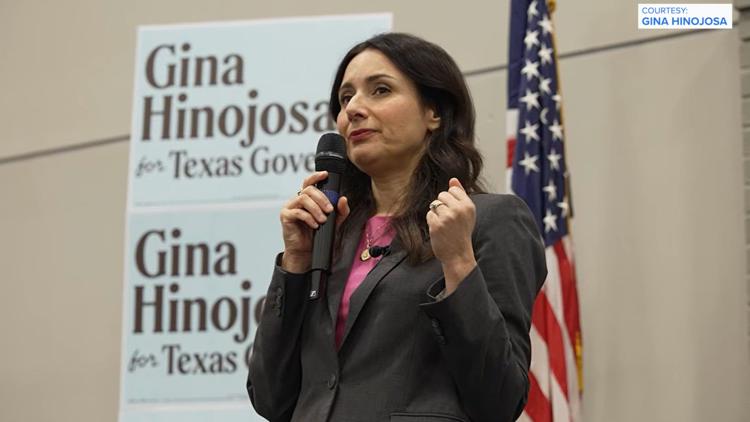
As the sun dipped below the horizon, casting a golden hue over the streets of Carrollton, a palpable buzz filled the air. Residents gathered at the local park, discussing the prospect of a financial windfall that could change lives. The chatter centered around a bold proposal from Governor-elect Gina Hinojosa, who has sparked excitement with her plan to distribute $1,500 payments to Texans. But what does it take for this dream to become a reality?
In a move that has captured the attention of many, Hinojosa has proposed utilizing a staggering $17 billion from the state’s rainy-day fund to make direct payments to Texans. This initiative aims to provide financial relief to families who have been grappling with rising costs and economic uncertainty. However, as enticing as this proposal sounds, there are significant hurdles that must be overcome before any payments can be made.
Currently, there is no set date for when these payments might be distributed, leaving many residents in suspense. The governor-elect’s plan has ignited discussions not only about the immediate financial relief it could provide but also about the implications for the state’s budget and long-term fiscal health. Supporters argue that this direct assistance is necessary for families struggling to make ends meet, while critics caution against potential overreach and financial mismanagement.
The response from the Carrollton community has been enthusiastic, with many residents expressing hope that the payments could alleviate some of their financial burdens. Local resident Maria Gonzalez, a single mother of two, shared her thoughts: “This could really help us get back on our feet. With rising costs for groceries and rent, $1,500 would make a huge difference.”
Gonzalez’s sentiment is echoed by many in the community who see the potential for this financial boost to support not just individual families, but the local economy as well. Small business owners, like John Lee, who runs a local diner, believe that increased disposable income could lead to more spending in Carrollton. “If people have a little extra cash, they’re more likely to dine out or shop locally,” Lee noted. “It’s a win-win for everyone.”
However, not everyone is on board with the proposal. Some community members have raised concerns about the long-term implications of dipping into the rainy-day fund. Local activist and fiscal conservative, Tom Richards, voiced his worries, stating, “While I understand the need for immediate relief, we must consider the future. What happens when the rainy-day fund runs dry?”
Richards’ concerns highlight a critical aspect of the discussion: sustainability. The rainy-day fund is designed to act as a financial safety net during economic downturns. Critics argue that using these funds for direct payments could jeopardize the state’s ability to respond to future crises. This debate reflects a broader conversation about fiscal responsibility and the best ways to support families without compromising the state’s financial stability.
As the proposal moves forward, residents are left wondering what steps must be taken for Hinojosa’s plan to materialize. First, the state legislature must approve the use of the rainy-day fund for this purpose, which will require a majority vote. This process can be lengthy and complicated, with various stakeholders weighing in on the decision.
Additionally, there will need to be clear guidelines established for how the payments will be distributed. Questions surrounding eligibility, distribution methods, and timing remain unanswered. Hinojosa’s administration will need to work diligently to address these concerns and build consensus among lawmakers to ensure the proposal moves forward.
The potential impact of this proposal extends beyond immediate financial relief. If approved, the $1,500 payments could serve as a catalyst for broader economic recovery in Carrollton and across Texas. Families could use the funds to pay down debt, invest in education, or even save for a rainy day—fostering a culture of financial responsibility.
Moreover, the initiative could set a precedent for future economic policies aimed at supporting families in need. As the conversation around financial assistance evolves, it’s essential for community members to engage in discussions about the best ways to support one another and build a resilient local economy.
To better understand the community’s sentiment, local leaders and organizations have been actively engaging with residents. The Carrollton Chamber of Commerce has initiated forums where business owners and citizens can voice their opinions and concerns regarding the proposal. Chamber president, Lisa Tran, emphasized the importance of these discussions: “It’s crucial for us to understand how this proposal affects everyone—from families to small businesses. We want to ensure that all voices are heard.”
In addition, community organizations like the Carrollton Food Pantry are preparing for the potential influx of support. Executive Director Sarah Martinez noted, “If families receive these payments, we anticipate seeing a decrease in demand for food assistance, which would be a positive shift. However, we also need to be prepared for any unexpected challenges that may arise.”
For those looking to stay updated on the progress of Hinojosa’s proposal, local news outlets and the City of Carrollton's website will provide timely information. Residents can also reach out to their local representatives to express their thoughts and concerns regarding the proposal.
Additionally, organizations such as the Texas Government and various community nonprofits are resources for families seeking assistance. Engaging with these organizations can help residents understand their options and navigate the complexities of financial relief programs.
As the community of Carrollton watches this proposal unfold, one thing is clear: the importance of strong families and stable households remains at the forefront of the conversation. The prospect of $1,500 payments evokes hope for many, but it also underscores the need for thoughtful dialogue about fiscal responsibility and community support.
Ultimately, the success of Hinojosa’s proposal will depend on collective action from lawmakers, community members, and local leaders. By coming together to advocate for responsible financial solutions, Carrollton can continue to thrive as a vibrant community built on the values of commitment, faith, and resilience.
In the coming weeks, community meetings will be scheduled to facilitate discussions about the proposal and its implications. Residents are encouraged to participate, share their perspectives, and ask questions. These meetings will not only provide valuable insights into the proposal but also foster a sense of community as residents come together to address shared concerns.
Moreover, social media platforms will likely play a pivotal role in shaping the conversation. Local leaders and influencers are expected to use these channels to disseminate information and rally support for the proposal. Keeping an eye on local hashtags and community pages can help residents stay informed and engaged in the ongoing dialogue.
By Rachel Gonzalez
By Jessica Velez

By Jessica Velez

By Tamara Knight