Sports
Why are there no NBA games on Election Day?
By Lindsey Harper
Advertisement · Why this ad?
Sofia Tran, a graduate of the University of Houston, has spent the last 7 years covering high school sports for the Houston Chronicle. Her passion for athletics and community engagement shines through as she focuses on the achievements and challenges facing Carrollton’s athletes.
More from Sofia →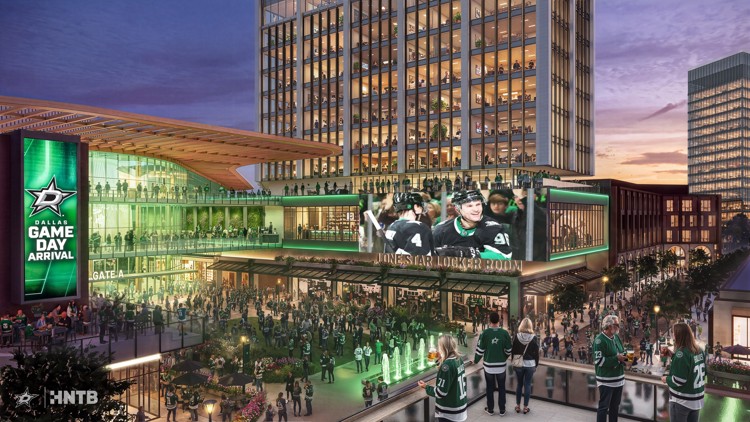
As the sun dipped below the horizon on a crisp autumn evening in Plano, Texas, the chatter among families and friends gathered outside polling stations buzzed with anticipation. Children clutched campaign stickers, and parents discussed the implications of the upcoming decision on the future of their community. This wasn’t just any election; it was a pivotal moment for sports enthusiasts and local families alike. On the ballot was a referendum that could pave the way for a new Dallas Stars arena, a project that would require the city to implement new taxes to fund its share of up to $700 million.
On election day, Plano voters faced a crucial decision regarding a proposed referendum that would allow the city to raise taxes to finance the construction of a new hockey arena for the Dallas Stars. The proposal, which has been the subject of intense discussion and debate among residents, aims to enhance the local economy and provide a state-of-the-art facility for sports fans.
The Dallas Stars, a beloved NHL team, have been a part of the fabric of Texas sports culture since their move from Minnesota in 1993. The new arena is envisioned not only as a home for the Stars but also as a venue for concerts, events, and other community gatherings, potentially transforming the landscape of entertainment in the region.
With the vote, Plano residents were not just casting ballots; they were making a statement about their priorities. Supporters of the referendum argue that the new arena could bring significant economic benefits, including job creation and increased tourism, while opponents express concerns about the financial burden on taxpayers.
The atmosphere in Plano leading up to the vote was charged with enthusiasm and apprehension. Local business owners, sports fans, and families weighed in on the potential impact of the new arena. Many expressed hope that the project would revitalize the local economy, providing jobs and attracting visitors to the area.
“This arena could be a game-changer for us,” said Maria Lopez, a local business owner who runs a sports-themed café. “It’s not just about hockey; it’s about bringing people together and creating a vibrant community space.” Her sentiments were echoed by many who see the potential for increased foot traffic and business opportunities.
Conversely, some residents voiced concerns about the financial implications. “I’m all for supporting our teams, but I worry about how this will affect our property taxes,” said John Thompson, a father of three. “We need to think about the long-term effects on our families.” This kind of dialogue is a testament to the strong community values in Plano, where families prioritize stability and thoughtful growth.
The proposal to raise taxes for the new arena has stirred robust discussions about fiscal responsibility. The city would implement new taxes to cover its portion of the estimated $700 million needed for the project. Proponents argue that the investment will yield substantial returns through increased sales tax revenue and job creation.
According to city officials, the anticipated economic impact includes not only direct job creation during the construction phase but also long-term employment opportunities in hospitality and event management once the arena opens. The local Chamber of Commerce has been vocal in its support, emphasizing the potential for increased tourism and community engagement.
However, critics caution against the potential burden on taxpayers. “We need to ensure that this investment won’t compromise our city’s budget,” said city council member Linda Martinez. “Transparency and accountability will be key as we move forward.” Such discussions reflect the community's commitment to responsible governance and the desire to balance growth with fiscal prudence.
The decision regarding the Dallas Stars arena is not just a local issue; it has implications for the entire North Texas region. A new arena could attract regional events, drawing visitors from surrounding cities and enhancing Plano's reputation as a hub for entertainment and sports.
Local schools and youth sports programs could also benefit from the increased visibility and resources associated with a major sports venue. With the right partnerships, the arena could host youth hockey leagues, training camps, and community events, fostering a love for sports among the next generation.
Moreover, the arena could serve as a catalyst for further development in the area, encouraging new businesses to set up shop and creating a vibrant ecosystem that supports both residents and visitors. The potential for revitalization is a testament to the community's resilience and commitment to growth.
As the ballots are counted and the results are announced, the future of the proposed Dallas Stars arena hangs in the balance. Regardless of the outcome, the conversations sparked by this referendum have already strengthened community ties and highlighted the importance of civic engagement.
Looking ahead, city officials and community leaders will need to navigate the next steps carefully, whether that involves moving forward with the arena project or addressing the concerns raised by residents. Transparency, communication, and collaboration will be crucial in maintaining trust and ensuring that the community's voice is heard.
In the spirit of fostering a strong community, local organizations and faith-based groups are already mobilizing to support families and individuals affected by the decision. Whether through town hall meetings, community forums, or outreach programs, residents are encouraged to stay engaged and involved in shaping the future of their city.
Community leaders and advocates are planning a series of town hall meetings to discuss the referendum's implications and gather feedback from residents. These gatherings will not only serve as a platform for sharing information but also as an opportunity for residents to voice their opinions and concerns. Local activists, such as Sarah Kim, a community organizer, have been at the forefront of these efforts. “We want to ensure that every voice is heard, especially those who may feel left out of the conversation,” she stated. This proactive approach emphasizes the importance of inclusivity in decision-making processes.
Should the referendum pass, city officials are looking into potential partnerships with local businesses and educational institutions to maximize the benefits of the new arena. Collaborations with schools could lead to educational programs centered around sports and health, promoting physical activity among youth. Additionally, local businesses could be involved in sponsorship opportunities, providing them with a platform to reach a broader audience while contributing to the community's growth.
Ultimately, the referendum is not just about a new sports arena; it represents a vision for the future of Plano. The discussions surrounding it reflect a community grappling with growth, identity, and the desire for a vibrant, inclusive space for all residents. As Plano continues to evolve, the decisions made today will shape the landscape for generations to come, making it essential for residents to remain engaged in the process.
By Lindsey Harper

By Lindsey Harper
By Lindsey Harper
By David Kim